When you're working on electronic projects, picking the right components can really make a world of difference in how well everything performs and holds up over time. And one of those key parts is the Chip Inductor. As industry expert Dr. Emily Zhang, who’s pretty much an authority in passive components, points out, "Getting the right Chip Inductor can seriously boost your circuit’s efficiency, which means better overall performance." That just goes to show how important it is to choose the right one to keep your electronics running smoothly.
In the fast-changing world of electronics, Chip Inductors are super important for filtering signals, storing energy, and making sure everything runs cleanly. As tech keeps moving forward, there are now tons of options out there, all designed for different uses—from everyday gadgets to high-frequency communication gear. Whether you're an engineer or just a hobbyist tinkering in your garage, it’s really helpful to understand the main factors when picking a Chip Inductor—stuff like inductance, current capacity, and size.
If you get the hang of these details, it’s easier to make smart choices and come up with creative solutions that take your projects to the next level. By listening to advice from experts like Dr. Zhang, you can approach your electronics with more confidence, making sure every part, especially the Chip Inductor, is chosen carefully and for the right reasons.

Understanding the Basics of Chip Inductors in Electronics
Chip Inductors, an essential component in modern electronics, play a critical role in managing and filtering electrical signals. Understanding the fundamentals of Chip Inductors is vital for engineers and hobbyists alike who seek effective solutions in various applications. These components utilize inductance to store energy in a magnetic field, which allows them to smooth current fluctuations and filter out unwanted signals. The inductance value, measured in microhenries (µH), is a key specification that influences performance in circuits like power supplies, RF designs, and signal processing.
As per industry reports, the global market for inductors, including chip types, is projected to grow significantly, driven by the increasing demand for advanced electronics. Research by Market Research Future highlights that the Chip Inductor market is expected to reach approximately $5 billion by 2025, reflecting a compound annual growth rate (CAGR) of around 6%. This growth is fueled by the proliferation of IoT devices, automotive electronics, and telecommunications, where compact and efficient components are necessary. When choosing a Chip Inductor, it is crucial to consider parameters such as size, inductance value, DC resistance (DCR), and saturation current, all of which impact the inductor's functionality and reliability in real-world applications.
Key Specifications to Consider When Selecting Chip Inductors
When selecting Chip Inductors for your electronic projects, it is essential to consider several key specifications that impact their performance and suitability. First and foremost, theinductance value is crucial, as it determines the inductor's ability to store energy in a magnetic field. This value is typically expressed in microhenries (µH) and should match the requirements of your circuit design. A thorough understanding of the operating frequency range is also vital, as different inductors are optimized for specific frequencies, influencing their efficiency and overall performance in applications like filtering and energy storage.
Another important specification to consider is the current rating, which refers to the maximum current the inductor can handle without saturating. Exceeding this rating can lead to performance issues, including an increase in heat generation and a decrease in inductance. Additionally, examine the DC resistance (DCR) of the inductor, as lower DCR values typically translate to better efficiency and minimal power loss during operation. Finally, the package size and footprint requirementsmust align with your project's design constraints, ensuring that the inductor fits properly within the available space while delivering reliable performance. By carefully evaluating these specifications, you can select the most suitable Chip Inductor for your application.
Types of Chip Inductors and Their Applications
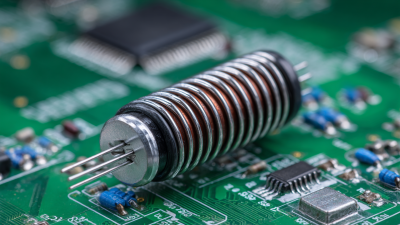
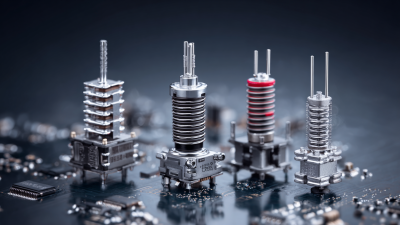
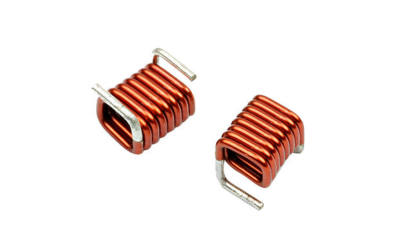
When selecting a Chip Inductorfor electronic projects, understanding the various types available and their appropriate applications is crucial. Chip Inductors are passive components that canstore energy in a magnetic field when electrical current flows through them. They come in different configurations, such as multilayer, wirewound, and thin-film inductors.
Multilayer Inductors are typically sought for their compact size and high inductance values, making them ideal for high-frequency applications like RF circuits. Wirewound inductors, on the other hand, are known for their robustness and higher current handling capabilities, suitable for power supply circuits.
Another classification of chip inductors is based on their core material, which can be ferrite or air. Ferrite core inductors are commonly used for applications requiring higher inductance in a smaller footprint, while air-core inductors are often chosen for high-frequency applications due to their reduced losses.
Additionally, it's essential to consider the inductance value, current rating, and temperature coefficient when selecting a chip inductor. Understanding these factors allows engineers to choose the best inductor type that meets the specific requirements of their electronic projects, ensuring optimal performance and reliability.
Evaluating Inductance Value and Tolerance for Your Project
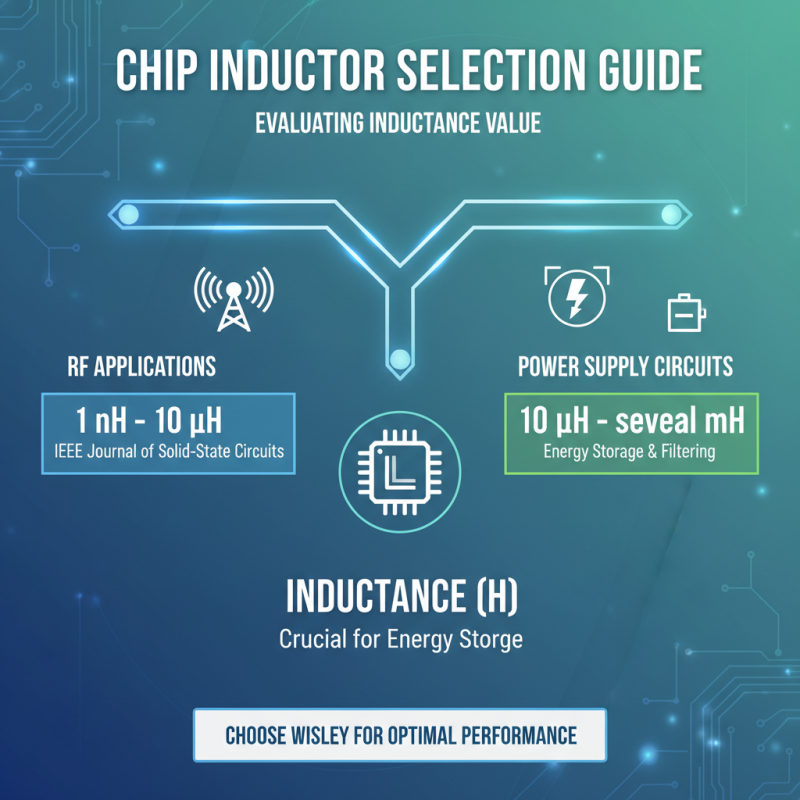
When selecting the right chip inductor for your electronic projects, evaluating the inductance value is crucial. Inductance, measured in henries (H), determines the inductor's ability to store energy in a magnetic field. Depending on your project's requirements, you may need varying inductance values. For instance, a study from the IEEE Journal of Solid-State Circuits indicates that in RF applications, inductance values typically range between 1 nH to 10 µH, while power supply circuits may require values from 10 µH up to several mH. Understanding these ranges can help you choose an inductor that meets your design criteria.
Tolerance is another essential factor in the selection process. Tolerance, which refers to the allowable deviation from the specified inductance value, can significantly affect circuit performance. According to industry data from Yole Développement, tolerance levels can vary widely, from as low as ±1% for high-precision applications to ±20% in more general uses. Selecting a chip inductor with suitable tolerance ensures that your device operates consistently within its intended parameters, reducing the risk of circuit failures due to significant variations in inductance. Balancing inductance and tolerance is key to achieving optimal performance in your electronic projects.
Choosing the Right Packaging and Size for Chip Inductors
When selecting chip inductors for your electronic projects, the packaging and size are critical factors that can significantly influence overall performance and integration. Chip inductors come in various package styles, including SMD (Surface Mount Device) formats, which can affect how easily they can be mounted on a circuit board. The choice of packaging ultimately depends on the specific requirements of your application, such as temperature stability, frequency response, and available board space. It's essential to analyze the size and footprint of the inductor, ensuring it fits within the layout without compromising other components and overall circuit functionality.
Furthermore, understanding the electrical characteristics tied to packaging and size is vital. Smaller inductors often have higher self-resonant frequencies and may be better suited for high-frequency applications, but they can also have increased series resistance, affecting efficiency. Conversely, larger inductors typically offer higher inductance values and better current handling capabilities, making them ideal for low-frequency or high-current applications. Therefore, determining the optimal size and packaging for chip inductors is a balancing act that requires careful consideration of both technical specifications and the physical constraints of your project.
2025 Chip Inductor Selection Analysis
This chart represents the current ratings of various chip inductor sizes commonly used in electronic projects. It highlights how the size of the inductor impacts its current handling capacity, which is a crucial factor in selecting the right component for your applications.
Analyzing Performance Factors: Current Rating and Saturation
When selecting a chip inductor for your electronic projects, understanding the performance factors is crucial, especially the current rating and saturation characteristics. The current rating indicates the maximum continuous current the inductor can handle without overheating, which is vital for ensuring reliable operation in your circuit. Exceeding this rating can lead to excessive thermal buildup, affecting the inductor's performance and potentially damaging surrounding components. Therefore, it is essential to choose an inductor with a current rating greater than the maximum load current anticipated in your application.
Saturation occurs when the inductor core material reaches its magnetic limits, causing a collapse in inductance value. This scenario is detrimental for applications that rely on stable inductance to perform correctly. When selecting an inductor, evaluate the saturation current rating to ensure it exceeds the peak current that your circuit will experience. A suitable inductor should provide a buffer above the expected peak current, minimizing the risk of entering saturation during operation. By paying close attention to these performance factors, you can enhance the reliability and efficiency of your electronic projects.
Common Mistakes to Avoid When Selecting Chip Inductors
When selecting chip inductors for your electronic projects, avoiding common pitfalls is crucial to ensure the best performance and reliability. One frequent mistake is overlooking the inductor's current rating. Many designers focus solely on inductance value, disregarding how much current the inductor can handle without saturating. This can lead to inefficient operation or even damage to components. Always consider the application's maximum current requirements and select an inductor that exceeds those values.
Another common error is neglecting the DC resistance (DCR) of the inductor. A low DCR can significantly affect the efficiency of your circuit, reducing heat generation and improving overall performance. Higher resistance can lead to increased power losses, which is detrimental in power-sensitive applications. Be sure to check the DCR specifications and choose a part that minimizes resistive losses for your design.
Tips:
1. Calculate the expected current and select an inductor with a higher rating to avoid saturation during peak loads.
2. Consider the application environment; inductors may perform differently under varying temperatures and conditions, so review the rated temperature range.
3. Pay attention to size and package type, as they can impact heat dissipation and layout efficiency in your overall design.
Choosing the right inductor with careful consideration of these factors will enhance the reliability and efficiency of your projects.
Enhancing Power Efficiency and Noise Reduction: Insights from the SSAC1111-1515-2222-2929 Series Ferrite SMD Inductors Market Report
The SSAC1111-1515-2222-2929 series ferrite SMD inductors stand out in the market for their ability to enhance power efficiency and reduce noise, making them ideal components for a wide range of electronic applications. With their miniature scale and high Q factor, these inductors are designed for optimal performance in high-frequency scenarios, significantly benefiting devices that demand reliability and precision. Their RoHS compliance further reinforces their relevance in today’s eco-conscious manufacturing environment.
These inductors have found their niche in various applications, including digital TV tuners and mobile phones, particularly those utilizing GSM, CDMA, and PDC technologies. Additionally, they play a critical role in wireless LAN and Bluetooth equipment, power amplifiers, and antenna modules, where signal integrity is paramount. Their ease of bonding and low sensitivity to humidity enhances their usability, ensuring consistent performance even in challenging conditions. Overall, the SSAC1111-1515-2222-2929 series ferrite SMD inductors embody innovative design aimed at improving power efficiency and minimizing interference, catering to the needs of modern electronic devices.
FAQS
: Chip inductors are essential components that manage and filter electrical signals, utilizing inductance to store energy in a magnetic field, which helps smooth current fluctuations and filter out unwanted signals.
Important parameters to consider include size, inductance value (measured in microhenries), DC resistance (DCR), and saturation current, as these factors affect the functionality and reliability of the inductor in applications.
The inductance value is a key specification that influences the performance of chip inductors in various circuits, including power supplies, RF designs, and signal processing.
The current rating indicates the maximum continuous current that an inductor can handle without overheating. Exceeding this rating can result in thermal buildup, affecting performance and potentially damaging surrounding components.
Saturation occurs when the inductor core material reaches its magnetic limits, causing a collapse in inductance value, which can be detrimental for applications that require stable inductance for proper functionality.
Evaluating the saturation current rating ensures it exceeds the peak current that the circuit will experience, providing a buffer to minimize the risk of entering saturation during operation.
The growth of the chip inductor market is driven by the increasing demand for advanced electronics, particularly in areas such as IoT devices, automotive electronics, and telecommunications where compact and efficient components are necessary.
The chip inductor market is projected to reach approximately $5 billion by 2025, reflecting a compound annual growth rate (CAGR) of around 6%.
By ensuring that inductors have appropriate ratings for current and saturation, engineers can enhance the reliability and efficiency of electronic projects, leading to better overall performance.
Chip inductors are commonly used in power supplies, RF designs, signal processing, and various advanced electronics applications where effective signal management is crucial.
Conclusion
Choosing the right chip inductor for electronic projects requires a solid understanding of several key factors. First, it is essential to grasp the basics of chip inductors, including their key specifications such as inductance value, tolerance, and current ratings. Different types of chip inductors serve various applications, so identifying the right type for your needs is crucial.
Moreover, packaging and size are vital considerations, as they can impact the overall design and functionality of your project. Performance factors like current rating and saturation need to be analyzed thoroughly to ensure reliable operation. Finally, avoiding common mistakes in the selection process can save time and resources, leading to more successful electronic designs. By carefully considering these elements, you can select the most suitable chip inductor for your specific application.

 +86-15916242887
 CONTACT US